Why Everyone Should Stop Sharing Their Real Email Online
Your email address has quietly become your universal digital ID. It’s used to sign up for apps, download files, access trials, join communities, and verify accounts. But sharing your real email address everywhere online is one of the biggest privacy mistakes people make today.
From spam and data leaks to phishing attacks and constant marketing emails, the cost of using a personal or work email for everything is higher than ever. This is why temporary email, disposable email, and throw away email services are rapidly becoming essential for everyday internet use.
Platforms like LikeMail allow users to stay connected online without sacrificing privacy, security, or peace of mind.
The Hidden Risks of Sharing Your Real Email
When you use your real email address online, you’re exposing yourself to multiple long-term risks.
1. Permanent Spam Exposure
Once your email enters a database, it often:
Gets shared or sold
Is reused in marketing lists
Triggers automated email campaigns
Spam doesn’t stop—it compounds over time.
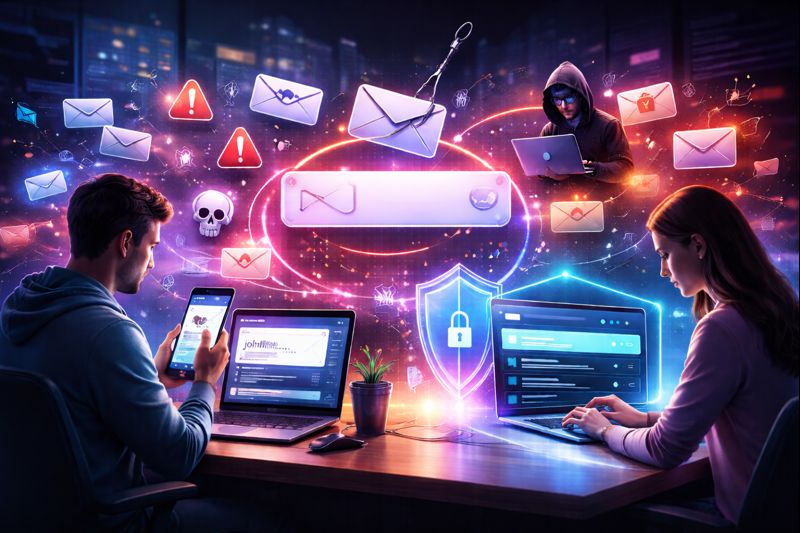
2. Increased Phishing & Scam Attempts
Attackers rely on leaked email addresses to:
Send fake login alerts
Mimic trusted brands
Steal credentials
A real email address is a direct attack surface.
3. Data Breaches You Can’t Undo
If a website is breached, your email becomes public forever. You can change passwords—but you can’t change history.
What Is Temporary Email?
Temporary email (also called disposable email, temp email, or throw away email) is an email address that:
Works instantly
Requires no registration
Automatically expires
Doesn’t link to your identity
It allows you to receive emails safely without revealing your real inbox.
Why Temporary Email Is the Smarter Choice
Temporary Email Protects Your Real Identity
Using a temp email separates:
Online activity
Personal communication
Professional communication
This separation is critical for digital hygiene.
Disposable Email Stops Spam at the Source
When a disposable inbox expires:
Marketing emails stop
Follow-ups disappear
Tracking ends
No unsubscribe links needed.
Common Situations Where You Should Never Use Your Real Email
| Online Activity | Risk | Better Option |
|---|---|---|
| App signups | Spam & tracking | Temporary email |
| Free trials | Sales follow-ups | Disposable email |
| Downloads | Email harvesting | Throw away email |
| Forums | Data scraping | Temp email |
| Giveaways | Marketing lists | Temporary inbox |
Temporary Email vs Real Email
| Feature | Real Email | Temporary Email |
|---|---|---|
| Spam control | ❌ Weak | ✅ Strong |
| Privacy | ❌ Low | ✅ High |
| Data breach impact | ❌ Permanent | ✅ Temporary |
| Tracking protection | ❌ None | ✅ Reduced |
| Ease of use | ❌ Risky | ✅ Instant |
Why Email Privacy Matters More Than Ever
Email is now used to:
Reset passwords
Access financial services
Verify identity
Link multiple accounts
One leaked email can expose your entire digital life.
Using temporary email reduces:
Identity correlation
Behavioral tracking
Cross-platform profiling
How Disposable Email Helps Daily Internet Users
Disposable email is ideal for:
Students
Developers
Freelancers
Online shoppers
Remote workers
It allows safe participation online without long-term consequences.
Best Practices for Using Temporary Email
✔ Use temp email for signups and trials
✔ Keep real email for trusted contacts
✔ Avoid linking temp email to banking
✔ Use throw away email for downloads
✔ Separate personal and public identity
FAQs – Temporary Email & Online Privacy
What is temporary email used for?
Temporary email is used to receive emails without sharing your real address, helping avoid spam and protect privacy.
Is disposable email legal to use?
Yes. Using disposable or throw away email is completely legal for online signups and testing services.
Can websites block temp email?
Some do, but most allow temporary email for basic access and verification.
Does temporary email improve security?
Yes. It reduces phishing, tracking, and data exposure.
Is temp email safe for everyday use?
Yes, especially for non-sensitive activities like signups and downloads.
Final Thoughts
Sharing your real email online is no longer necessary or smart.
With rising spam, data breaches, and tracking, temporary email and disposable email are now basic digital protection tools.
Using services like LikeMail.com, you can browse, sign up, and explore the internet without sacrificing privacy.
Your real inbox deserves protection.